
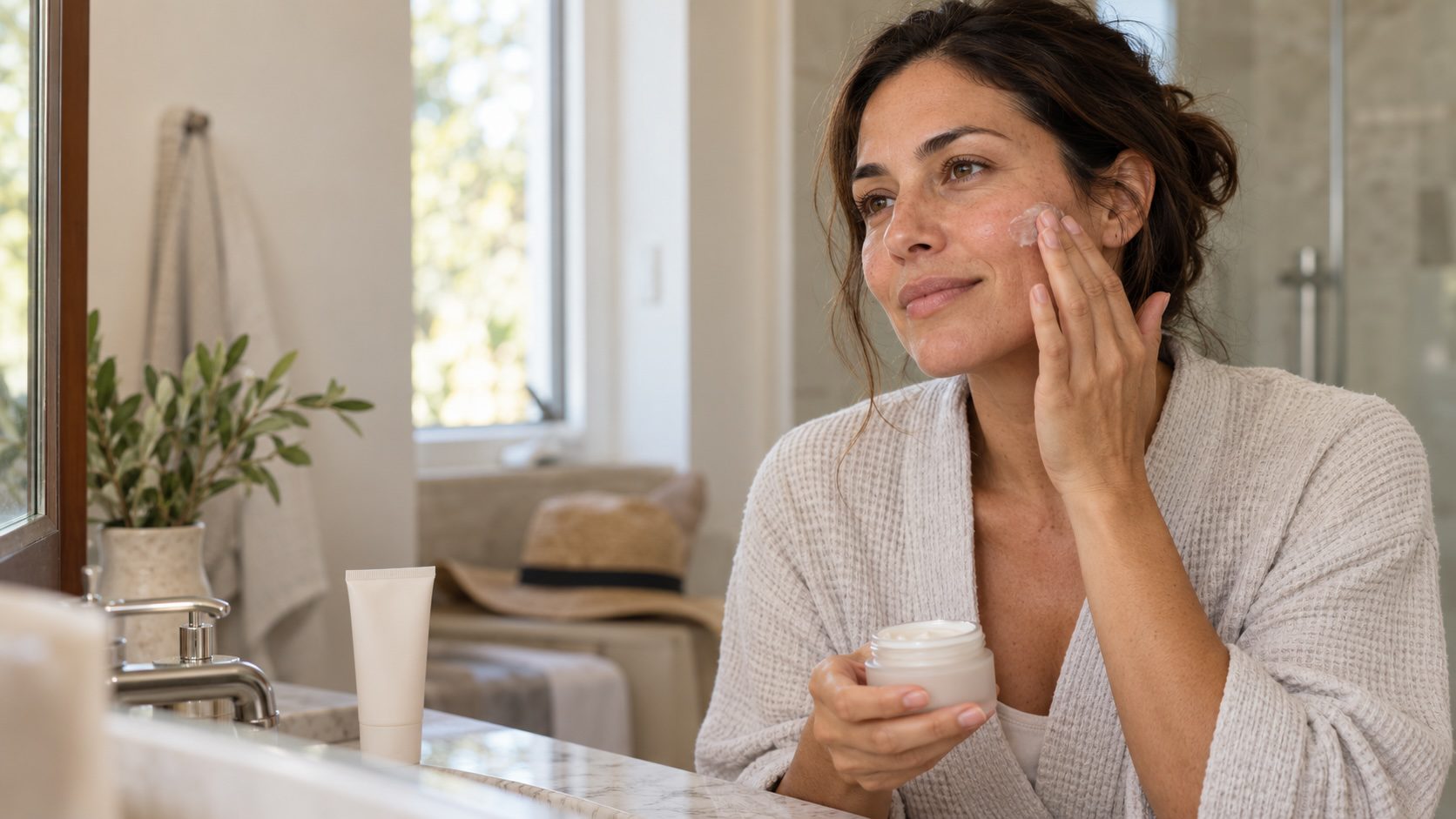
You’ve scheduled your laser treatment, and you’re excited to see the results. But there’s something I always want my patients to understand: what you do before and after your appointment matters, too.
Laser treatments can improve skin texture, fine lines, pigmentation, and overall skin quality. Depending on the technology, they work by delivering controlled energy into the skin to target specific concerns or stimulate collagen remodeling.
But your skin also needs time and proper care to recover.
The good news is that taking care of your skin doesn’t have to be complicated. In fact, sometimes the simplest approach is the best.
Before Your Laser Treatment: Prepare Your Skin
I always encourage patients to arrive with skin that’s healthy, hydrated, and free of irritation.
In the days leading up to treatment, avoid excessive sun exposure, tanning, and harsh exfoliation. Depending on the procedure, you may also be advised to temporarily stop retinoids or certain active skincare ingredients.
Be sure to tell your provider about medications, recent aesthetic treatments, or a history of cold sores.
Preparation is especially important if you’re prone to hyperpigmentation or have a darker skin tone, since these factors can influence treatment planning.
After Treatment: Less Is Often More
Following certain laser treatments, your skin may feel warm, tight, or sensitive. Mild redness, swelling, and dryness can also occur.
My advice? Don’t overwhelm your skin with products.
Stick with gentle cleansing when permitted, and use a fragrance-free moisturizer or protective ointment recommended by your provider. Avoid exfoliating acids, retinoids, scrubs, and other irritating ingredients until your skin has recovered.
What does the research say?
A 2025 randomized controlled trial involving 60 patients undergoing fractional CO₂ laser treatment found that a skincare regimen containing multiple molecular weights of hyaluronic acid improved skin barrier recovery and reduced redness compared with the control regimen.
A separate expert consensus published in Lasers in Surgery and Medicine in 2025 supported simple post-treatment care, including petrolatum-based products during the initial healing period after fractional ablative CO₂ resurfacing.
The takeaway? Keeping your skin protected and appropriately moisturized really does matter.
Sun Protection Is Essential
If there’s one thing I emphasize to every laser patient, it’s protecting your skin from the sun.
After laser treatment, your skin may be more vulnerable to inflammation and unwanted pigmentation changes, particularly if you’re already prone to melasma or post-inflammatory hyperpigmentation.
A 2025 systematic review examining pigmentation prevention in skin of color found that sunscreen was the most consistently supported preventive measure among the studies reviewed.
However, a broader 2026 analysis found that sunscreen alone may not be sufficient to prevent laser-induced hyperpigmentation in every patient, highlighting the importance of individualized treatment planning.
Once your skin is ready for sunscreen, choose a broad-spectrum SPF 30 or higher and reapply regularly when outdoors. A wide-brimmed hat and avoiding direct sunlight are equally important.
For deeper resurfacing treatments, follow your provider’s instructions about when to begin applying sunscreen.
Give Your Skin a Break From Heat
I generally recommend temporarily avoiding saunas, steam rooms, hot yoga, and intense exercise after laser treatments.
Why? Because additional heat and sweating can aggravate skin that’s already sensitive from treatment.
For lighter procedures, avoiding excessive heat for 24–48 hours may be sufficient. More intensive resurfacing treatments often require a longer recovery period.
And if your skin begins to flake or peel, please don’t pick at it. Allow it to heal naturally.
Be Patient With Your Results
One thing I love about laser treatments is that improvements don’t necessarily stop when you leave the treatment room.
Certain lasers stimulate collagen remodeling, a process that continues over weeks to months.
While some patients notice early improvements in brightness or texture, changes in firmness and fine lines often take longer.
Depending on your concerns, multiple treatments or periodic maintenance may be recommended.
Consistency matters, but so does allowing your skin enough time to recover between sessions.
Know When to Reach Out
Some redness, swelling, and sensitivity may be expected. However, increasing pain, spreading redness, pus, fever, or unexpected blistering deserves prompt medical attention.
Every laser treatment is different. A gentle non-ablative procedure, such as certain Fotona rejuvenation treatments, will not have the same recovery requirements as aggressive ablative resurfacing.
That’s why your aftercare should always be tailored to the treatment you’ve received.
A Final Thought
As a nurse practitioner, I believe great aesthetic results come from more than just the technology we use. They come from understanding the skin, choosing appropriate treatments, and giving it the care it needs afterward.
At Infinite Wellness Med Spa, I want my patients to feel informed and confident, not just during their treatment but throughout their recovery.
Because healthy, beautiful skin is something we work toward together.
Curious about what laser treatments can do for your skin? Schedule a personalized consultation at Infinite Wellness Med Spa to explore your options.
Clinical References (2025–2026)
- Effect and Safety of Skincare Regimens Containing a Multi-Molecular Hyaluronic Acid Complex for Recovery After Ablative Fractional CO₂ Laser: A Prospective, Randomized, Controlled Trial. (2025). PubMed
- Expert Consensus on Clinical Recommendations for Fractional Ablative CO₂ Laser, in Facial Skin Rejuvenation Treatment. (2025). Lasers in Surgery and Medicine. PubMed
- Prevention of Post-Inflammatory Hyperpigmentation in Skin of Colour: A Systematic Review. (2025). Read study
- Interventions to Prevent Postinflammatory Hyperpigmentation After Laser and Energy-Based Device Treatments: A Systematic Review and Network Meta-Analysis. (2026). Lasers in Surgery and Medicine. Read study
This article is for educational purposes. Follow your treating clinician’s specific instructions, as laser aftercare varies by procedure, treatment intensity, and individual skin characteristics.